IDS FOOD SECURITY AND LIVELIHOODS INTERVENTION
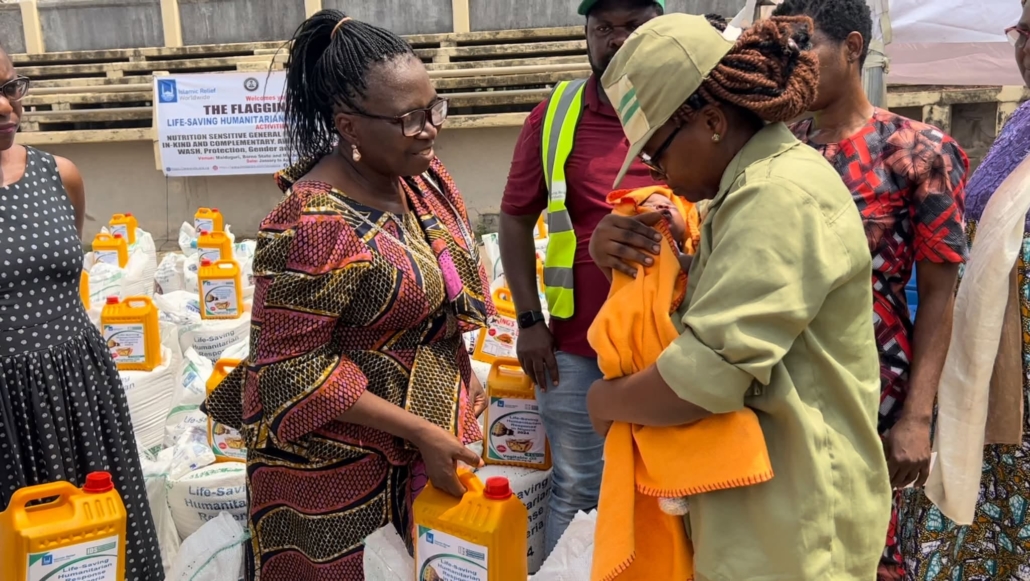
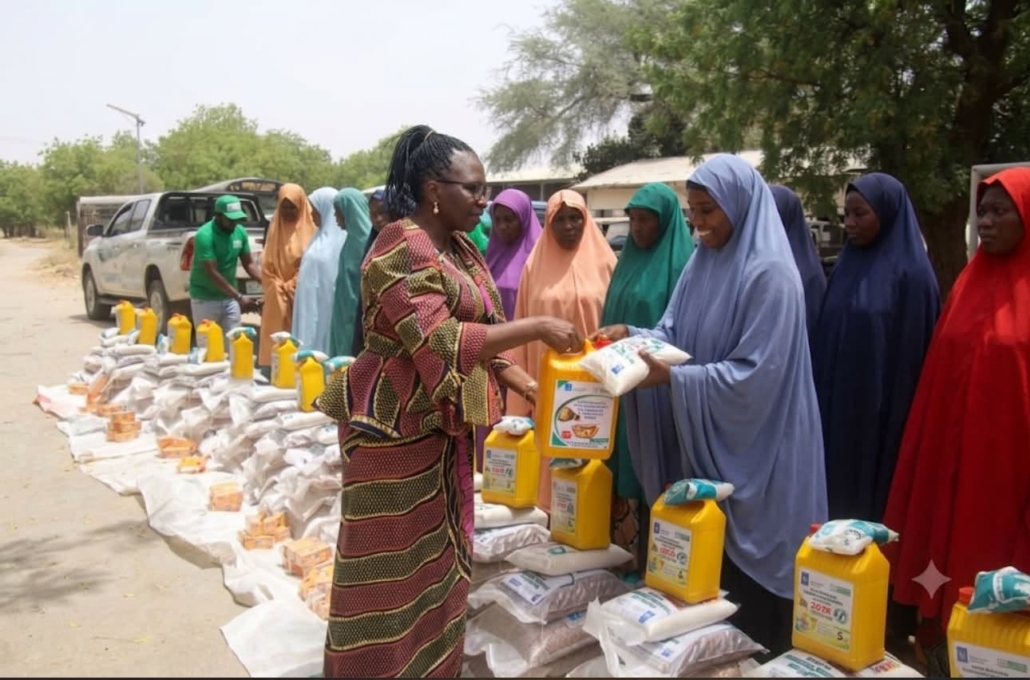
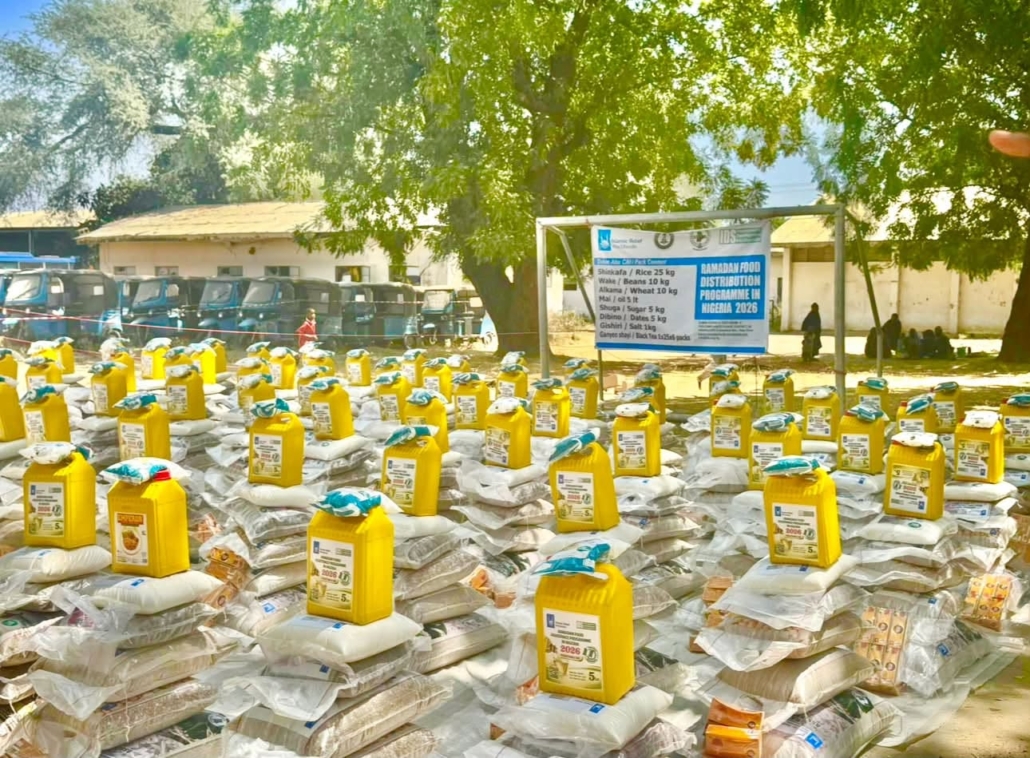
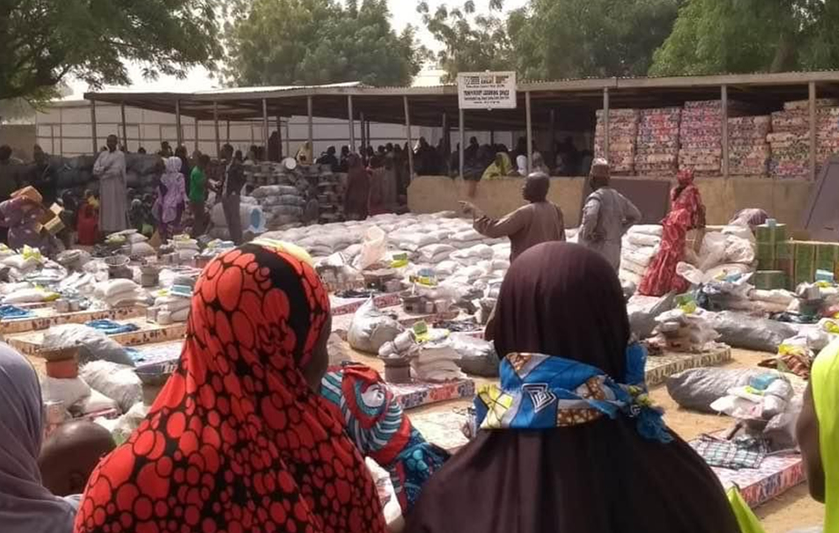
IDS Distributing Food and Non-Food Items to Internally Displaced Persons (IDPs) in Northeast Nigeria
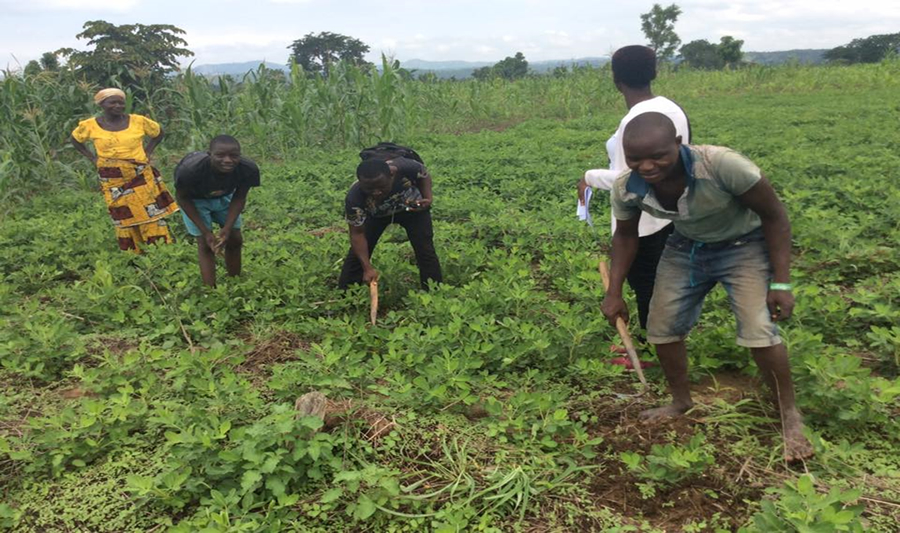
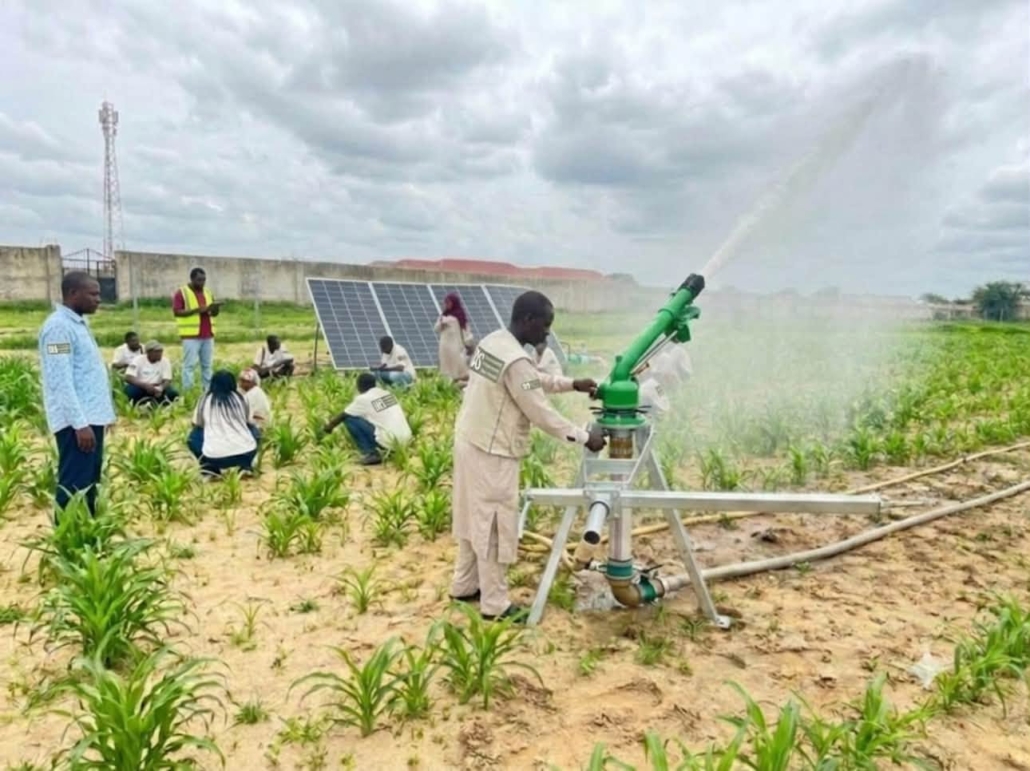
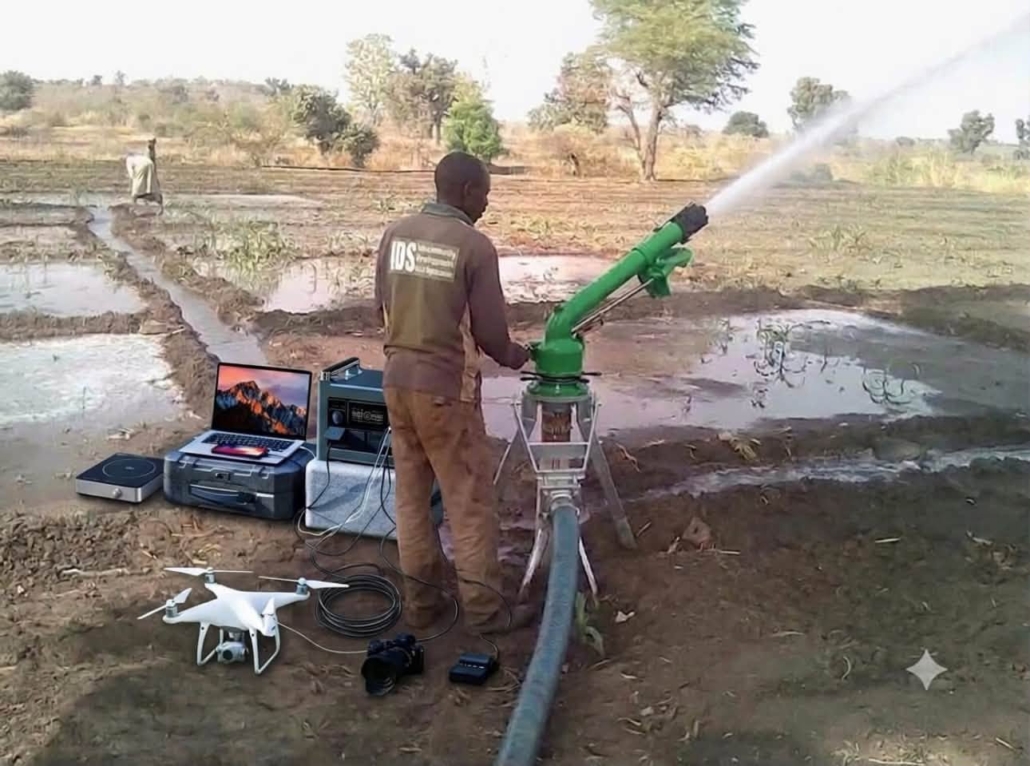
IDS Promoting Climate Change Resilience through Digital Climate Smart Agriculture(D-CSA) for Food Security
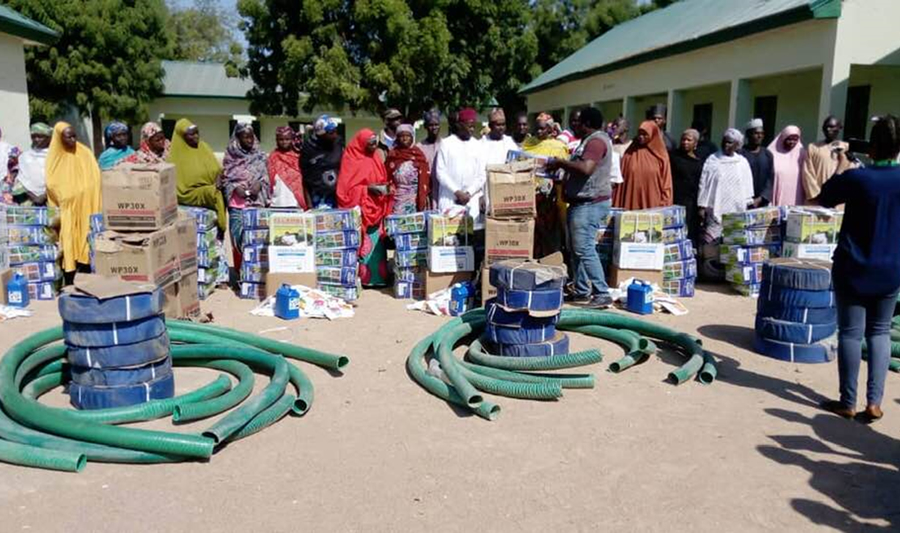
IDS Supporting Small Holder Farmers with agro Inputs to Boost Agricultural Productivity and Profitability
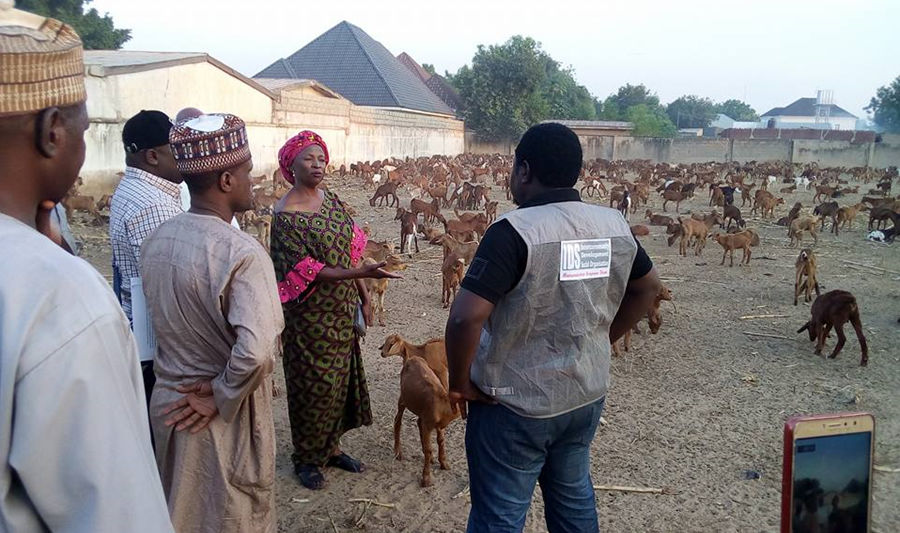
IDS Supporting Householders in Humanitarian Emergency with Improved Livestock for Income Generation and Nutrition in Borno State
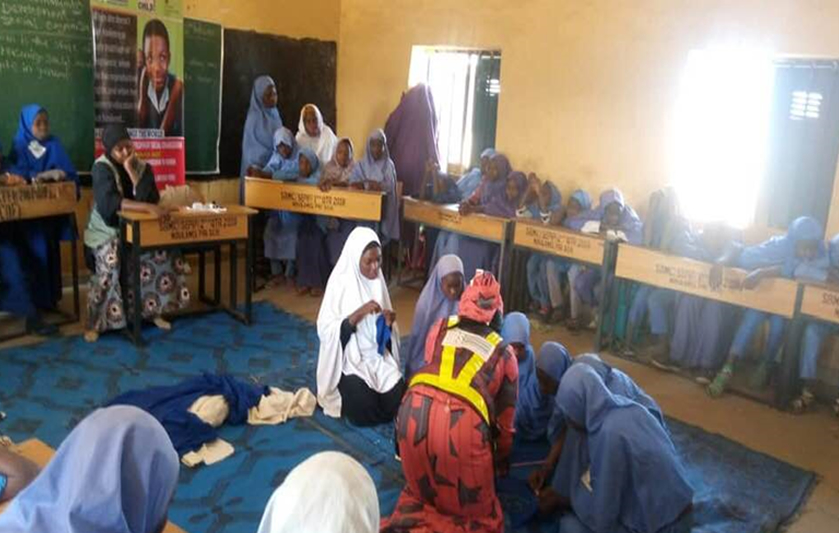
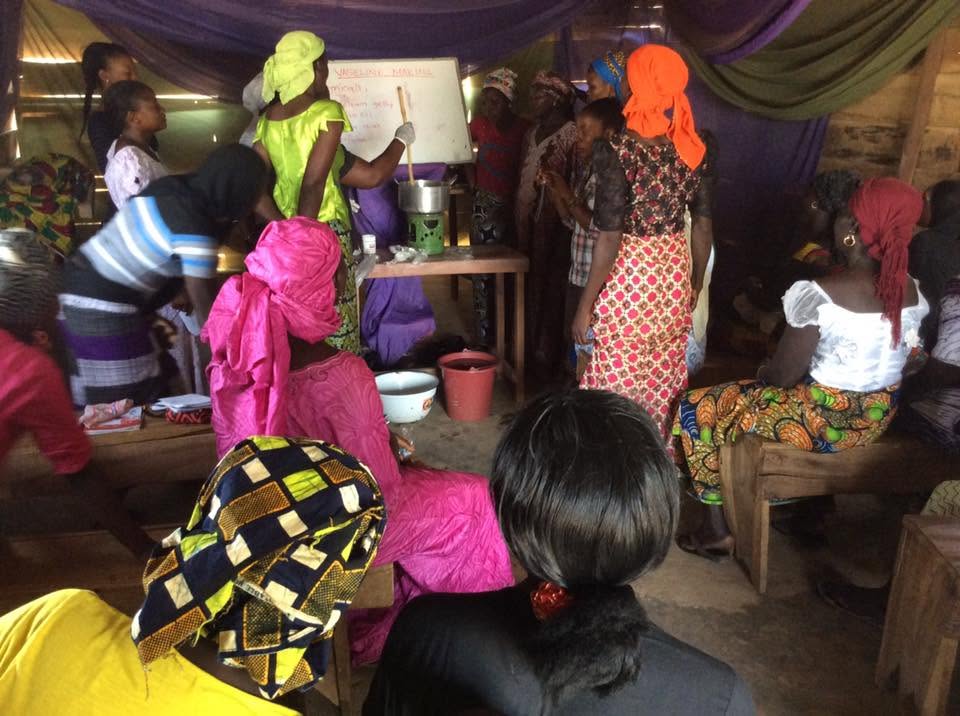
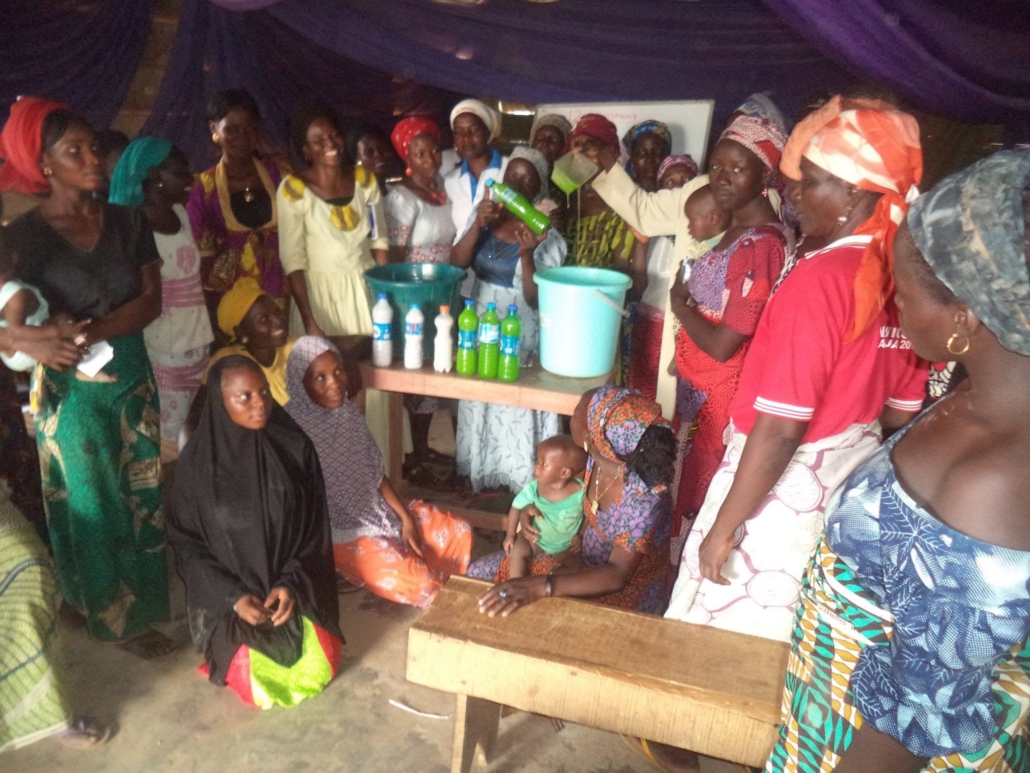
IDS Training School Girls in Emergency to Make their own Re-usable Sanitary Pads (RSPs)
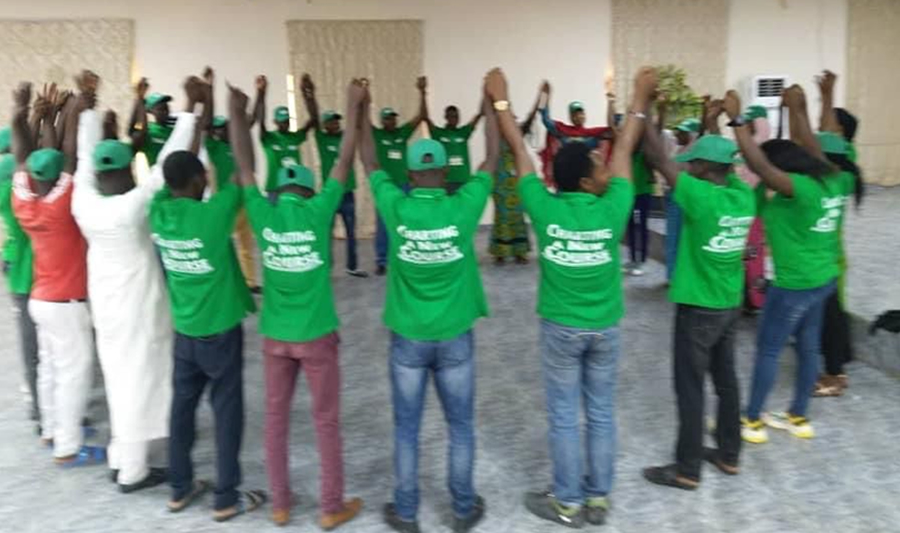
IDS Uniting Northern Nigerian Youth to Prevent and Counter Violence Extremism (P/CVE)
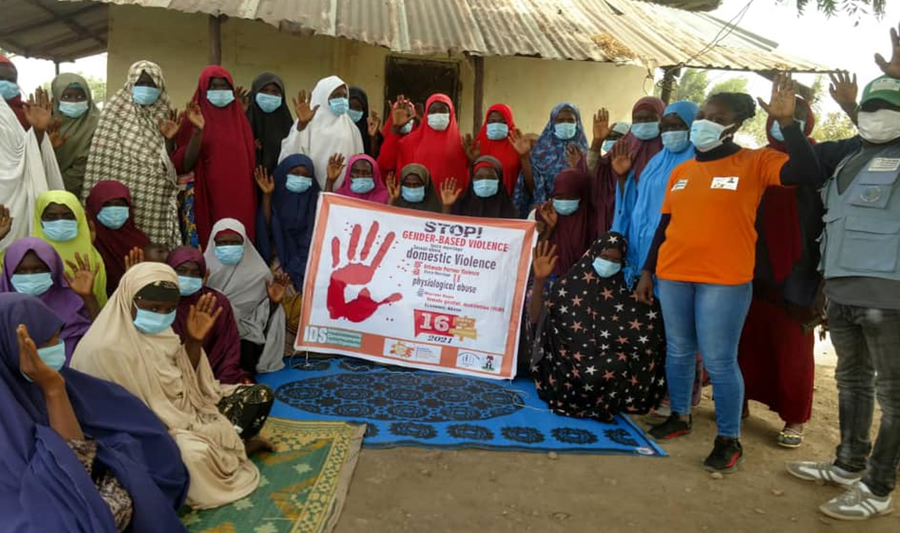
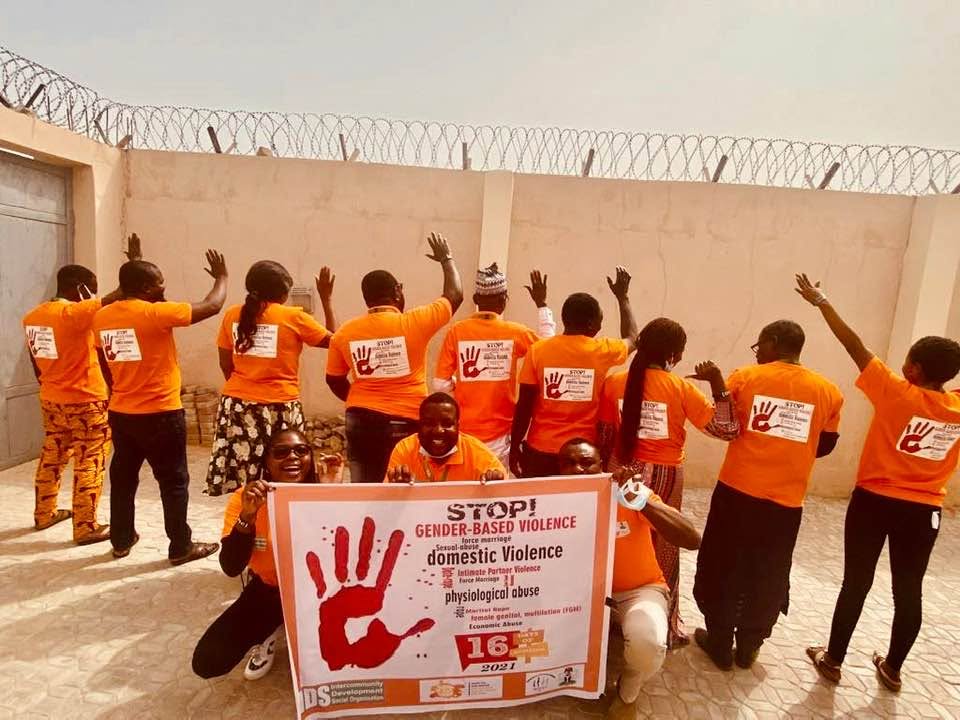
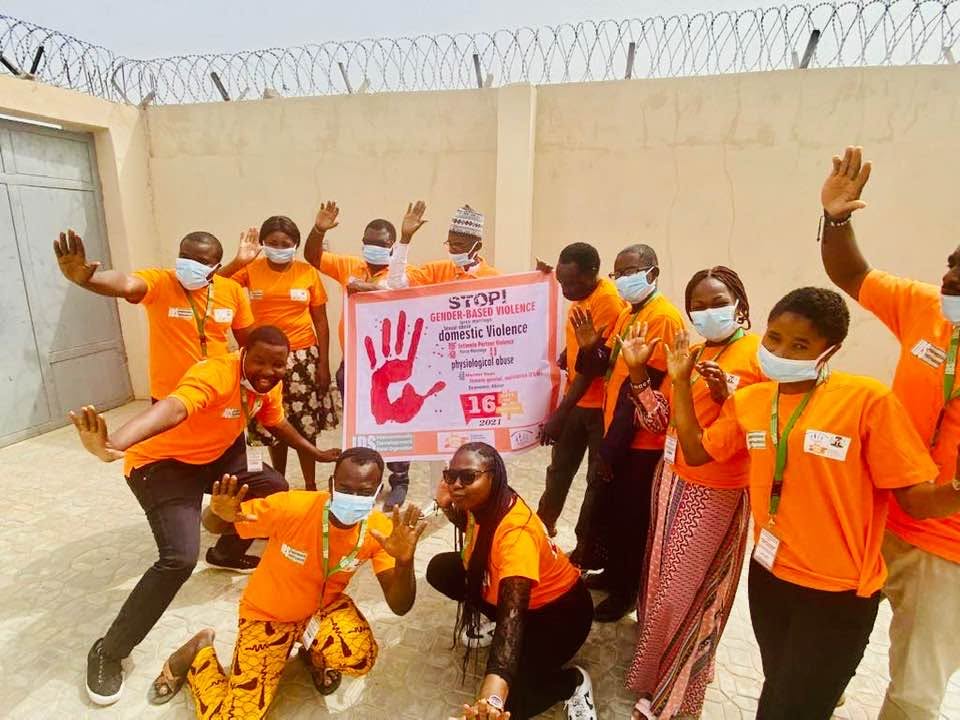
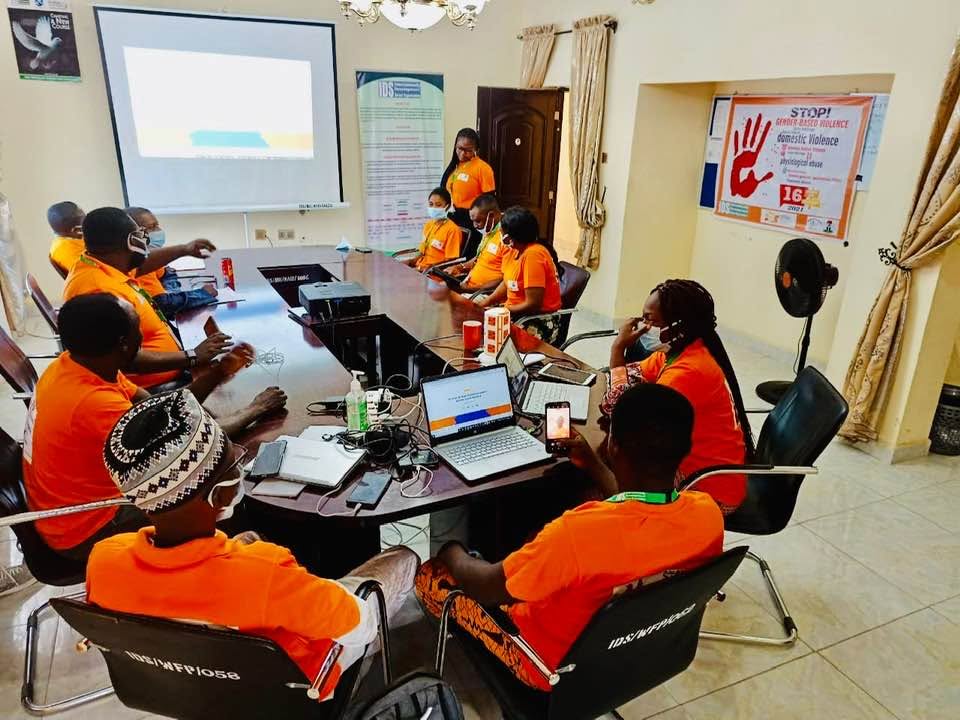
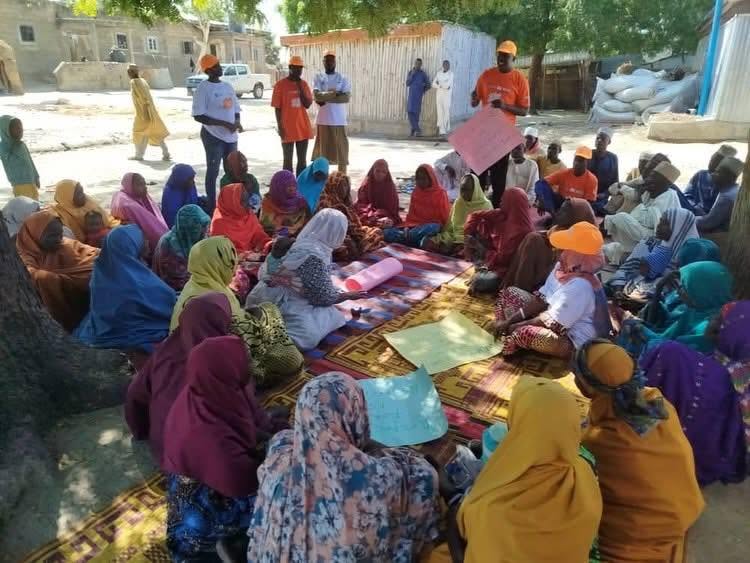
IDS Mobilizing Community Stakeholders to Stop Gender-Based Violence (GBV) in Conflicts
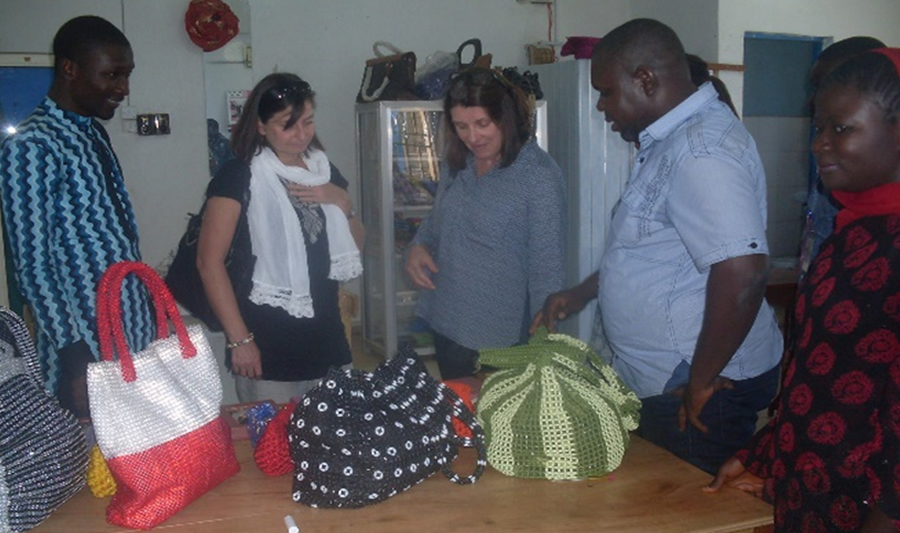
J4A Partners Admire the Art of Craft Making at IDS Skills Acquisition Center
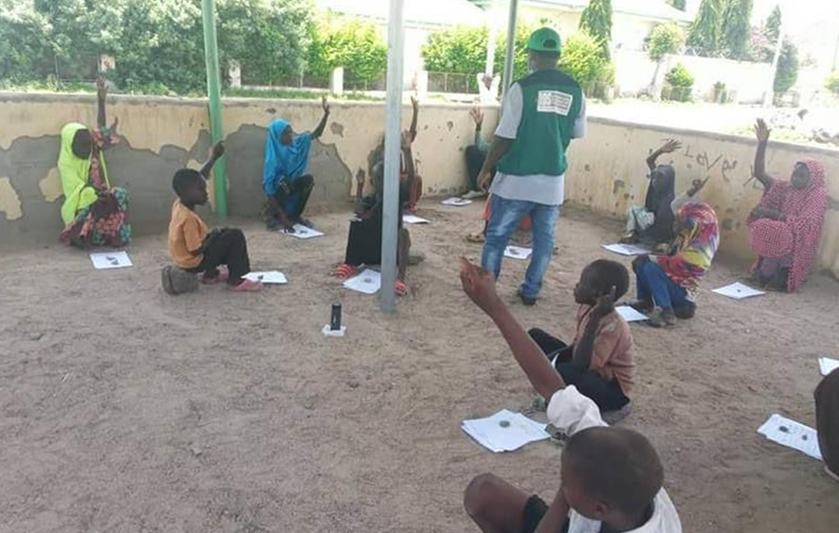
IDS Ensuring Children in Emergency Education Cannot Wait (ECW) through Last Mile Learning (LML) During COVID - 19
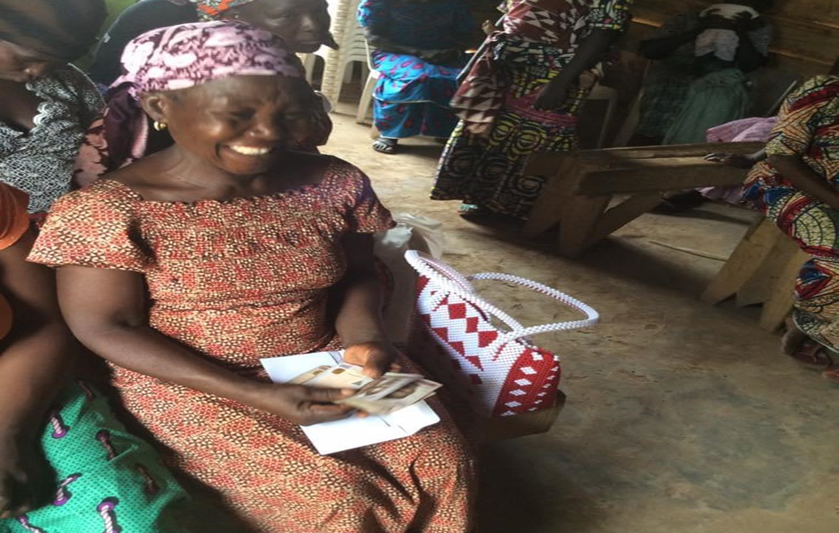
IDS Promoting Village Saving and Loan Associations (VSAL)
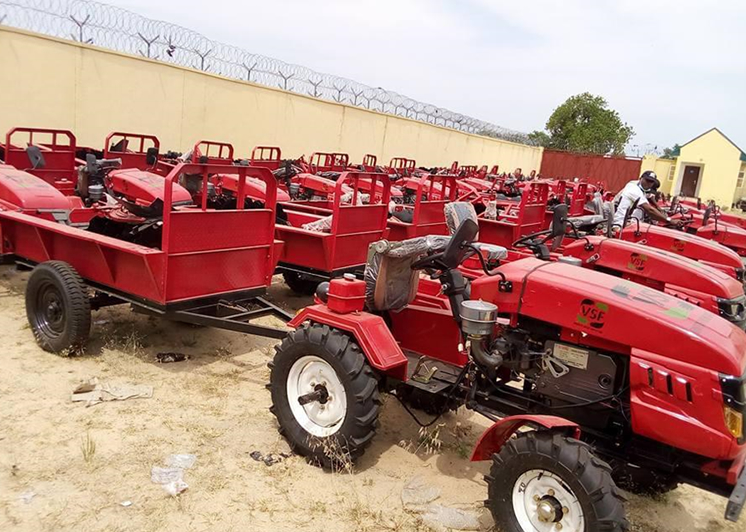
IDS Empower Smallholder farmers Affected by Humanitarian Emergency with 57 Mini-Tractors to boost Agricultural Production for Food Security in North-East Nigeria
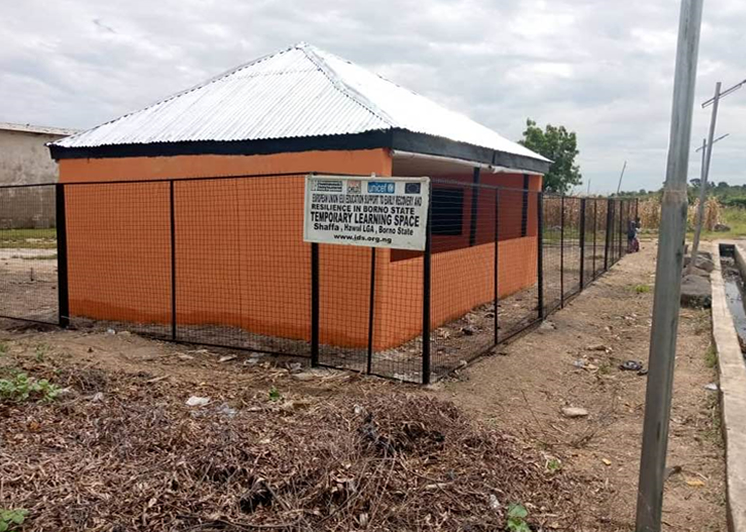
IDS Establishe57 Temporary Learning Spaces (TLS) at Strategic Locations and provide over 70,000 Children in Emergency Access to Quality Education
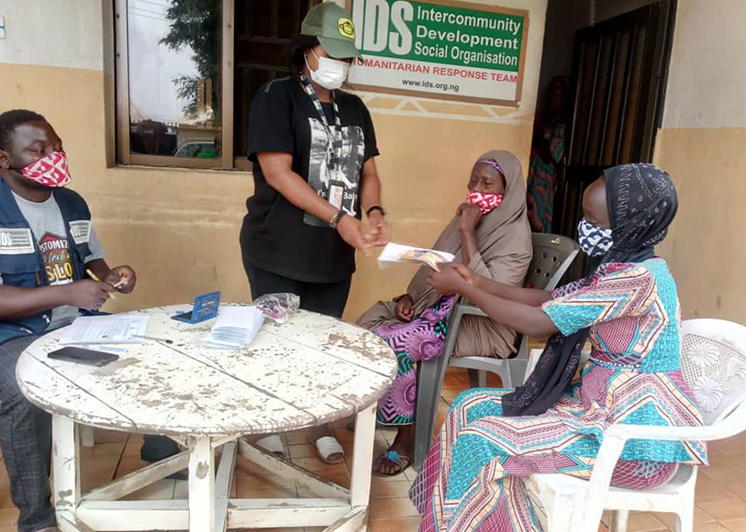
IDS Periodized Women/Girls with Conditional Cash Transfer (CCT) for Economic Empowerment Activities I Humanitarian Emergencies
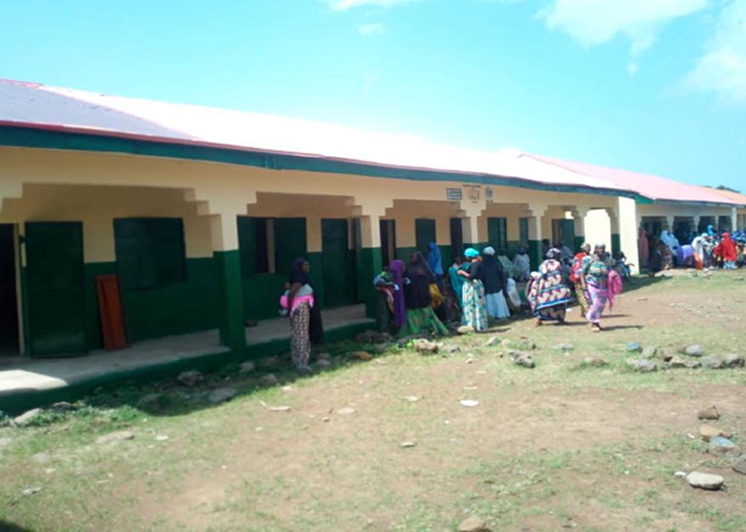
IDS Renovate, Construct and Furnished 25 Public Schools Destroyed by Insurgents in Northeast Nigeria
1:1 IDS Agriculture-Based Intervention:
IDS’ food security response in humanitarian emergencies focuses on immediate food assistance, livelihood protection, and enabling local food production. Our goal is to meet urgent food needs while enhancing self-reliance and building the resilience of vulnerable groups to future shocks. From 2016 to 2022, in partnership with Creative Associates International / USAID Office of Transition Initiatives (OTI), Street Child UK and the Victims Support Fund (VSF), IDS mobilized, trained, and empowered over 1,000,000 smallholder farmers and agricultural cooperatives on Climate Smart Agriculture (CSA) best practices. We distributed improved seeds, livestock, and agricultural inputs — including tractors, fertilizers, herbicides, insecticides, water pumps, and sprayers — and provided agricultural extension services valued at approximately USD 76 million. The intervention was implemented across 15 LGAs in the FCT, Borno, Benue, and Nasarawa States. It enabled crisis-affected farmers to resume agricultural activities, improved productivity, and strengthened community resilience.
1.2 IDS Emergency Food and Nutrition Assistance:
IDS provides life-saving food assistance through General Food Distribution (GFD), Cash-Based Transfers (CBT), and Voucher modalities. Since 2018, with funding and technical support from the World Food Programme (WFP), Too Young to Wed (TYTW) USA, and Islamic Relief Worldwide (IRW), IDS has reached over 100,000 vulnerable households affected by conflict and climate change. The total value of interventions exceeds USD 520 million. Implemented across Northeast and Central Nigeria, our food assistance integrates complementary activities in WASH, Protection, Gender, and Disability Inclusion to prevent hunger and malnutrition and restore dignity.
1.3 IDS Livelihoods Intervention:
Over the past 15 years, IDS has trained and empowered over 15,000 households of vulnerable women, youth, persons with disabilities, and other minority groups to build self-reliance and resilience.
Key Interventions:
- Vocational Skills Training: Tailoring, knitting, carpentry, coding, catering, and crafts
- Agriculture Value Chain Development: Crop production, livestock, and fish farming
- Business & Financial Literacy: Business plan development, entrepreneurship training, financial literacy, record keeping, and market access through exhibitions and e-marketing
- Financial Inclusion: Village Savings and Loan Associations (VSLA) and Revolving Credit Schemes, including linkage to formal financial services
- Cash Support: Conditional Cash Transfers (CCT) and Unconditional Resource Transfers (URT)
These interventions have reached over 15,000 households across the FCT, Nasarawa, Benue, and Borno States, in partnership with the U.S. Ambassador’s SSH Project (2010), African Women’s Development Fund (AWDF), Street Child / UNICEF / NHF / British High Commission (FCDO), World Food Programme (WFP) (2017–2022), and Islamic Relief Worldwide (IRW) (2022 to date), with an estimated total value of over USD 1.25 million.
OUR KEY INTERVENTIONS
2.1 Women in Peace & Mediation:
2013 Supported by Urgent Action Fund Africa and National Human Rights Commission (NHRC). We strengthened the capacity of 40 women activists to advocate and mediate in the upsurge of Boko Haram insurgency. Through consultations with community leaders, religious groups, NGOs, and security agencies, we promoted dialogue and peaceful coexistence across Northern Nigeria.
2.2 Preventing & Countering Violent Extremism (P/CVE):
2020 With support from USAID-Global Center on Cooperative Security & Carefronting Nigeria. IDS implemented P/CVE programs in 9 LGAs: Mafa, Kaga, Gwoza, Konduga, Bama, Nganzai, Askira/Uba, Biu, and Jere. Trained 150 youth leaders, women, girls and boys on conflict management and peacebuilding, facilitated dialogue between security agencies and community stakeholders, Established Family Support Units at police posts, provided referrals for victims needing socio-economic, medical, and legal support and held monthly community security meetings and monitoring.
2.3 Socio-Economic Empowerment for Female Survivors:
In partnership with Too Young to Wed (TYTW) USA. We mobilized and supported women and girls who regained freedom after Boko Haram captivity through: Vocational skills and livelihood training, Seed grants to start small businesses, Food and non-food assistance, Sponsorship to international forums in the USA and Canada to amplify their voices
CLIMATE ACTION & DISASTER RISK REDUCTION:
Building Resilience to Climate Change and Disasters: At IDS, we believe that climate action and disaster preparedness are key to protecting lives, livelihoods, and the future of vulnerable communities in Nigeria. We invest in renewable energy, climate-smart agriculture, and community-led solutions that align with the Paris Agreement. By working with local and global partners, we reduce emissions, strengthen adaptation, and respond quickly when disasters strike.
Our Key Interventions:
In partnership with Islamic Relief Worldwide (IRW), Victims Support Fund (VSF), Borno & Benue States Emergency Management Agencies (SEMA), and IHE Delft Institute for Water Education (UNESCO), IDS is committed to promoting Digital Climate-Smart Agriculture (D-CSA) to help smallholder farmers adapt and thrive in a changing climate. Our approach includes training and empowering farmers on climate-smart practices, providing improved, climate-resilient crop varieties and livestock to boost productivity and reduce GHG emissions, advocating for policies aligned with the Paris Agreement and Nigeria’s NDCs, and investing in renewable energy and locally-led solutions based on global best practices. Beyond adaptation, IDS provides relief support for communities affected by climate-induced disasters. With an estimated investment of over USD 150,000 in relief materials — including food, non-food items, and dignity kits — we have supported flood-affected populations in Borno and Benue States, strengthening their immediate recovery and long-term resilience.
3.2 Disaster Risk Reduction & Emergency Response:
Over the past 5 years, IDS has led disaster preparedness and response across Nigeria with supported from Islamic Relief Worldwide (IRW) To reduce the impact of climate change and disasters by helping communities adapt, prepare, and recover faster — while protecting the most vulnerable.
Key interventions:
3.2.1 Emergency Relief: Distribution of food items, clothing, blankets, mats, and hygiene kits to women and children
3.2.2 Cash & Voucher Assistance: Provided cash and nutrition support to vulnerable households
3.2.3 Health Support: Referrals and partnership with mobile health teams for medical care and vaccinations
3,2,4 Livelihood Recovery:
- Training on climate-smart crop and animal production
- Distribution of improved seeds, livestock, and tools
- Financial support for small businesses to restart
- Establishment of community savings and lending groups for financial resilience
- Community Engagement: Awareness campaigns and training on disaster preparedness and flood mitigation
IDS is currently listed as a UNOCHA Nigeria Food Security Sector partner responding to floods Maiduguri, Borno State flooding in 2025.
EDUCATION IN EMERGENCY(EIE)
IDS education in emergency (EiE) intervention focuses on promoting vulnerable and marginalized children and young people rights to education and by providing quality learning opportunities to help develop coping skills, manage trauma and create safe, child-friendly learning environments. IDS have achieved this over the past 10 years by ensuring internally displaced persons (IDPs), Returnee and host community orphans and other vulnerable children (OVC) continued access to quality education and support during times of crisis working with funding and technical support Street Child UK/UNICEF-Education Cannot Wait (ECW) and European Union (EU) Borno Package (early educational recovery and reconstruction). Others are Otto 8Per Mille Waldensian Church Italy, and CHiP Training and Consulting UK implementing following strategics activities:
- Establishment Temporary Learning Spaces (TLS): IDS have constructed and equip 37 TLS with school desks, chairs and instructional materials across internally displaced persons (IDPs) camps and host communities in Biu, Hawul and Damboa Local Government Areas (LGA) of Borno States, northeast Nigeria.
- Last Mile Education (e-Learning): As part efforts to leave No Child Behind education especially children of the nomadic (pastoral) farmers a who always move from one location to another, children affected by humanitarian emergency and other natural disasters including flood and diseases outbreak like Corona Virus (COVIC-19) IDS engages in e-learning by and have over 2,000 children with self-sufficient solar-powered pre-recorded MP3 players instruction in foundation literacy and numeracy support their education in transits across northeast and northcentral Nigeria.
- Mental Health and Psycho-Social Support (MHPSS): IDS address the MHPSS of children emergency by creating safe spaces, provision of structured recreational activities, and promotion of positives parenting skills to help children cope with stress and build resilience
- Back to School (B2S) Campaign: IDS engages in community advocacy, sensitization activities, development and distribution of religious and culturally appropriate information education and communication (IEC) materials such as posters and flyers with massages to encourage parents, guidance, caregivers and foster-parents to send their children and wards back to school in humanitarian setting.
- Learning Materials: IDS from 2017 to date provided over 50,000 IDPs and host community educational materials inkling branded exercises books, uniforms, textbooks, workbooks, flashcards, maps, chart and models to facilitate learning process.
- Construction of WASH Facilities: IDS have constructed 40 gender and disability inclusive WASH facilities across IDPs camps and host communities to serve learners and IDPs population. IDS have trained and empowered over 1,500 girls and young women on the art of reusable sanitary pads (RSP) production to address the addresses the challenges of Menstrual Hygiene Management (MHM) and lack of livelihoods in humanitarian emergency.
- Capacity Building and empowerment: IDS have trained and empowered over 500 educational administrators and teachers including community volunteer teachers (CVTs) to effectively respond and continue education services for children and young persons affected by humanitarian emergency. This involves training and equipping them with the skills and knowledge to manage crises, adapt to changing circumstances, and support students. Capacity building for teachers includes training on new pedagogies, ICT skills for remote teaching, and mental health support. For administrators, it involves emergency preparedness, crisis-sensitive planning, and understanding the specific needs of their communities.
- Family Business Schemed (FBS): IDS in effort to sustain children emergency education have trained and empowered over 1,000 vulnerable parents, guidance, caregivers and foster parents of income generating activities (IGAs) such as vocational skills, entrepreneurship development, financial literacy, village saving and lending association (VSLA) and provided beneficiaries market access and financial linkage services to enable them sustained their education and the end of IDS intervention.
- Research on Education in Emergency (EiE): IDS in Partnership with CHiP Training and Consulting UK conducted Educational Survey using manual and electronic tools (Kobo toolbox and ODK) for data collection for Norwegian Refugee Council (NRC) in collaboration with UNICEF and Save the Children Nigeria implementing a three (3) year education project funded by Education Cannot Wait (ECW- Multi-Year Response Plan). The Nigeria MYRP offers a holistic response, working closely with other sectors, responding to immediate and longer-term education needs as well as the technical guidance and support necessary to build the capacity of the education system more broadly. About 470,000 conflict affected boys and girls as well as adolescents ware targeted to benefit from accessible quality education or vocational skills training across BAY states of Borno, Adamawa and Yobe States, Northeast Nigeria
- PROTECTION INTEGRATION: IDS intervention encompasses case management ranging from child abuse, harmful child labour, a child exposed to domestic violence, neglect, a child with special needs (chronic health), mental health needs, vulnerable caregivers, child’s parents who were killed because of the insurgency and other concerns. Other activities under protection include Family Tracing and Reunification (FTR) for un-accompanying children, Mental Health, and Psycho-social Support Services (MHPSS), and provision of Community Care (CBC) to safeguard children in humanitarian emergencies and livelihood support to parents, guardians, and caregivers to promote vulnerable children wellbeing. IDS have implemented activities under child protection with an estimated cost of over 50 million Naira activities supported by Street Child/UNICEF and Nigerian Humanitarian Fund (NHF) from 2017 to 2022.
- SEXUAL AND GENDER-BASED VIOLENCE (GBV): IDS is committed to addressing the issue of violence against women/girls (VAW/G) in Nigeria through awareness creation, community advocacy, and capacity strengthening of the demand and supply actors to increase pressure on the justice sector institutions to ensure proper documentation of VAW/G cases, facilitates timely arrest and prosecution of gender-based violence perpetrators in the society. IDS has also established violence against women/girls’ telephone helpline (09040222253) where free advice and guidance are provided to survivors of SGBV to seek justice and livelihood opportunities. IDS have a Do No Harm, PSEA, Community Engagement Policy, Conflict sensitivity, dignity and Integrity policy that guide the Organization’s operation on protection. The initiative has received funds and technical support from Justice for All (J4A) UK – Department for International Development (DFID) 2015 (NGN9,625,000) and Street Child / UK High Commission to Nigeria 20 thousand Great British Pound (GBP.
- WASH INTERVENTION: IDS is committed to the implantation of WASH activities and have constructed 15 Latrines across the Organizational established temporary learning spaces (TLS) in Biu, Damboa and Hawul LGA areas of Borno State. IDS is also engaged in community advocacy, sensitization and awareness creation on menstrual hygiene management (MHM) and has established a Skills Acquisition Centre (SAC) where women and youth especially girls are trained on the art of reusable sanitary pads (RSPs), face-marks and other crafts with an estimated cost over NGN50,000,000 in Abuja (FCT), Nasarawa, Benue and Borno State.
- IDS IMPACT ON DEMOCRACY: IDS strengthens democracy in Africa by putting marginalized women, youth, children, and other minority groups at the center of civic and political life. We do this through voter and civic education, leadership training, and advocacy that increases informed participation in elections and governance. In fragile and conflict-affected contexts, IDS protects democratic space by promoting peaceful coexistence and preventing election-related violence. Through dialogue, early warning, countering misinformation, and P/CVE sensitization, we help communities resist manipulation and resolve grievances non-violently. We also advocate for the protection of human rights including freedom of expression, association, and assembly, and provide support to victims of electoral violence.