IDS FOOD SECURITY AND LIVELIHOODS
IDS Agriculture-Based Intervention:
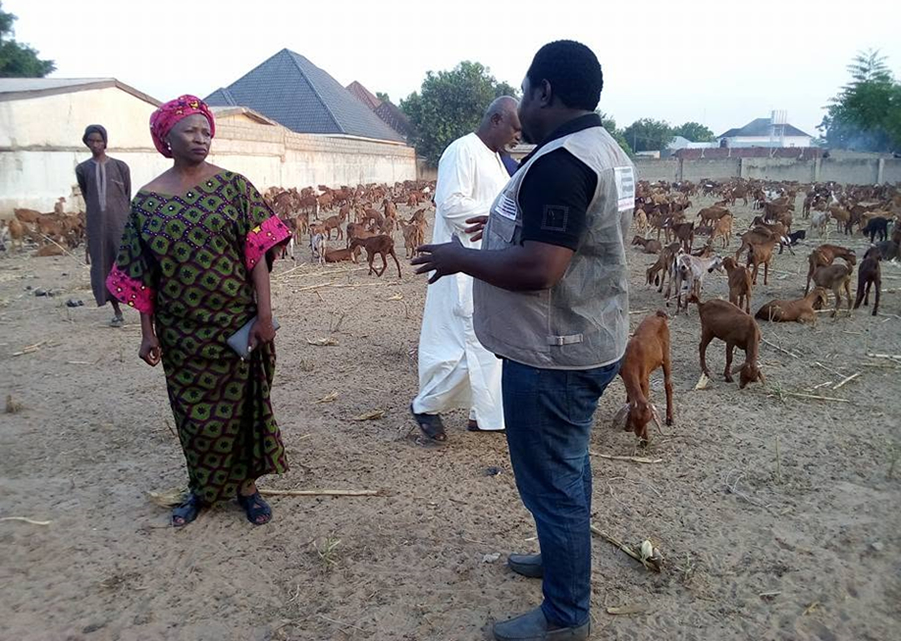
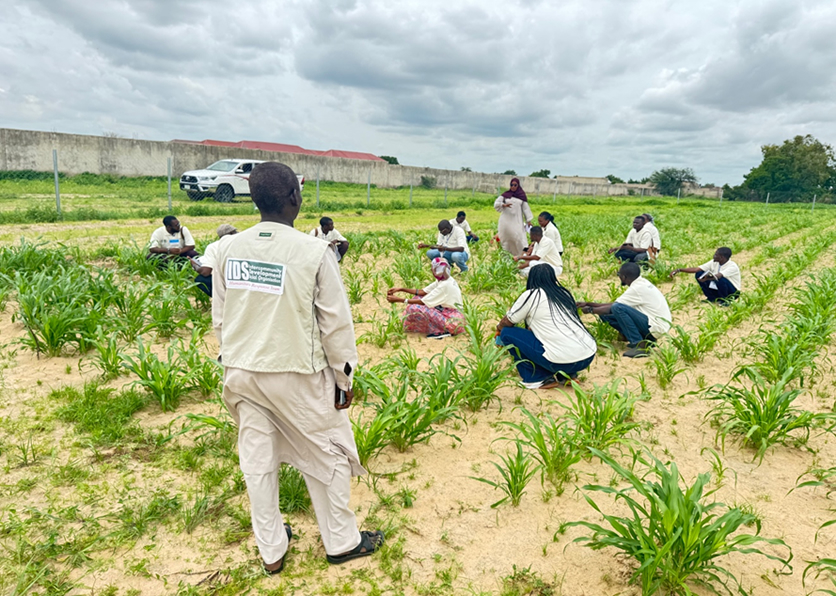
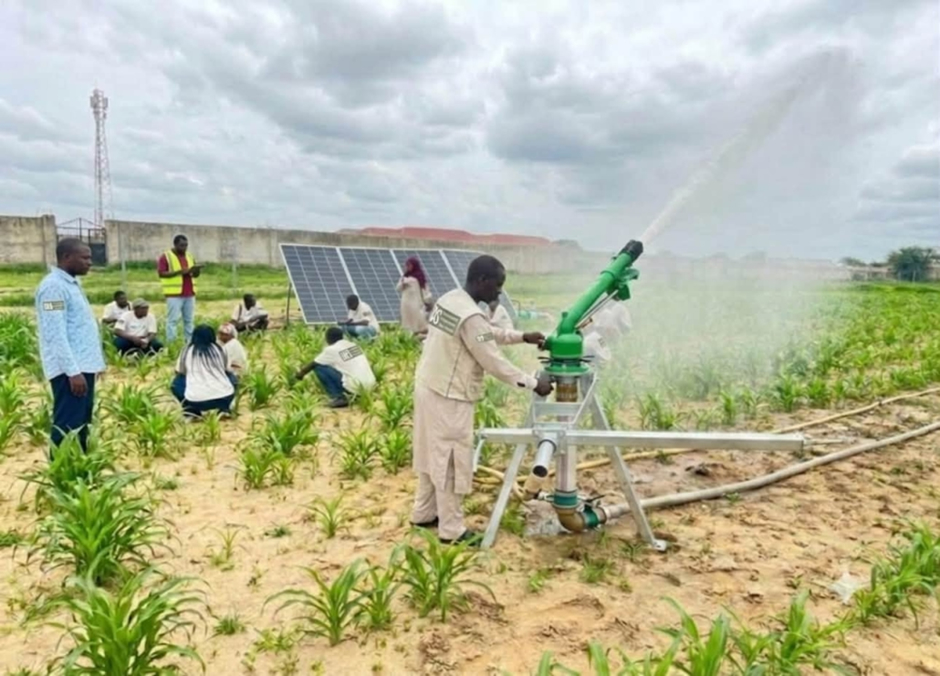
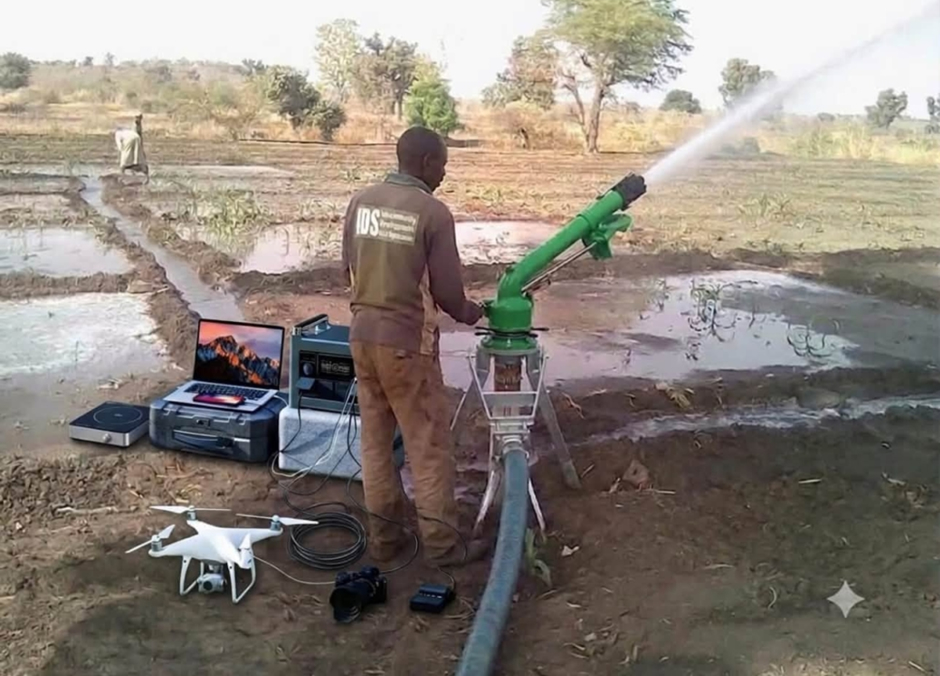
IDS’ food security response in humanitarian emergencies focuses on immediate food assistance, livelihood protection, and enabling local food production. Our goal is to meet urgent food needs while enhancing self-reliance and building the resilience of vulnerable groups to future shocks. From 2016 to 2022, in partnership with Creative Associates International / USAID Office of Transition Initiatives (OTI), Street Child UK and the Victims Support Fund (VSF), IDS mobilized, trained, and empowered over 1,000,000 smallholder farmers and agricultural cooperatives on Climate Smart Agriculture (CSA) best practices. We distributed improved seeds, livestock, and agricultural inputs — including tractors, fertilizers, herbicides, insecticides, water pumps, and sprayers — and provided agricultural extension services valued at approximately USD 76 million. The intervention was implemented across 15 LGAs in the FCT, Borno, Benue, and Nasarawa States. It enabled crisis-affected farmers to resume agricultural activities, improved productivity, and strengthened community resilience.
IDS Emergency Food Assistance:
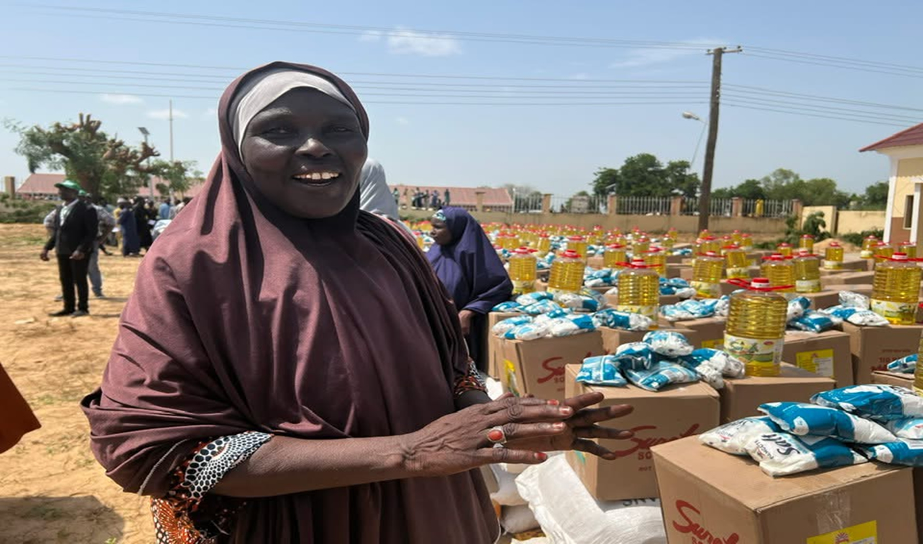
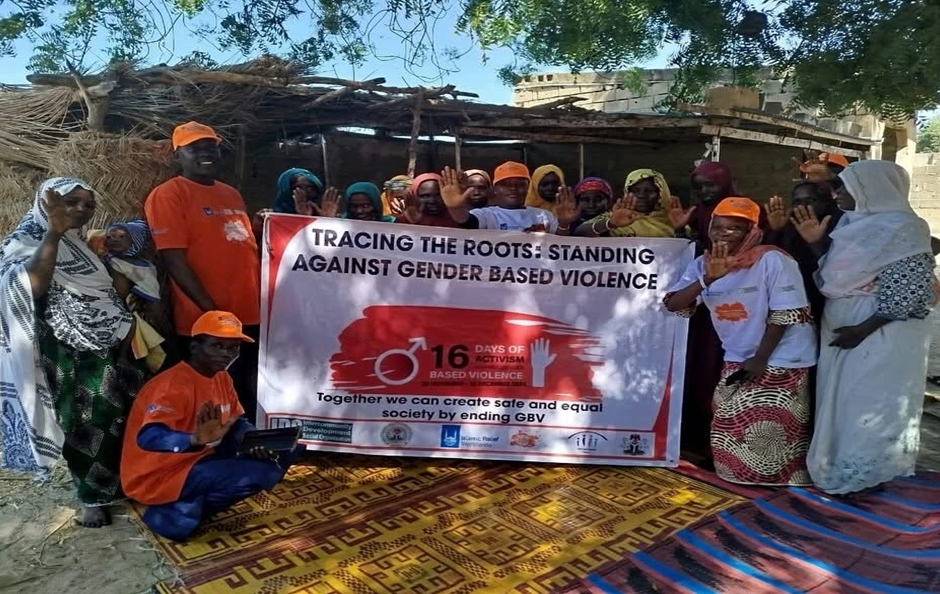
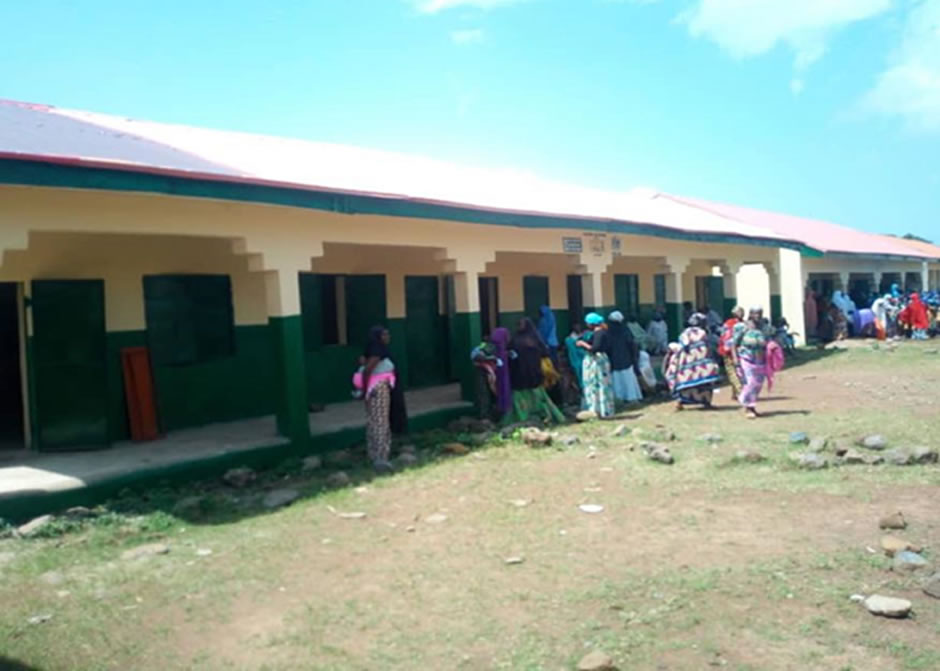
IDS provides life-saving food assistance through General Food Distribution (GFD), Cash-Based Transfers (CBT), and Voucher modalities. Since 2018, with funding and technical support from the World Food Programme (WFP), Too Young to Wed (TYTW) USA, and Islamic Relief Worldwide (IRW), IDS has reached over 100,000 vulnerable households affected by conflict and climate change. The total value of interventions exceeds USD 520 million. Implemented across Northeast and Central Nigeria, our food assistance integrates complementary activities in WASH, Protection, Gender, and Disability Inclusion to prevent hunger and malnutrition and restore dignity.
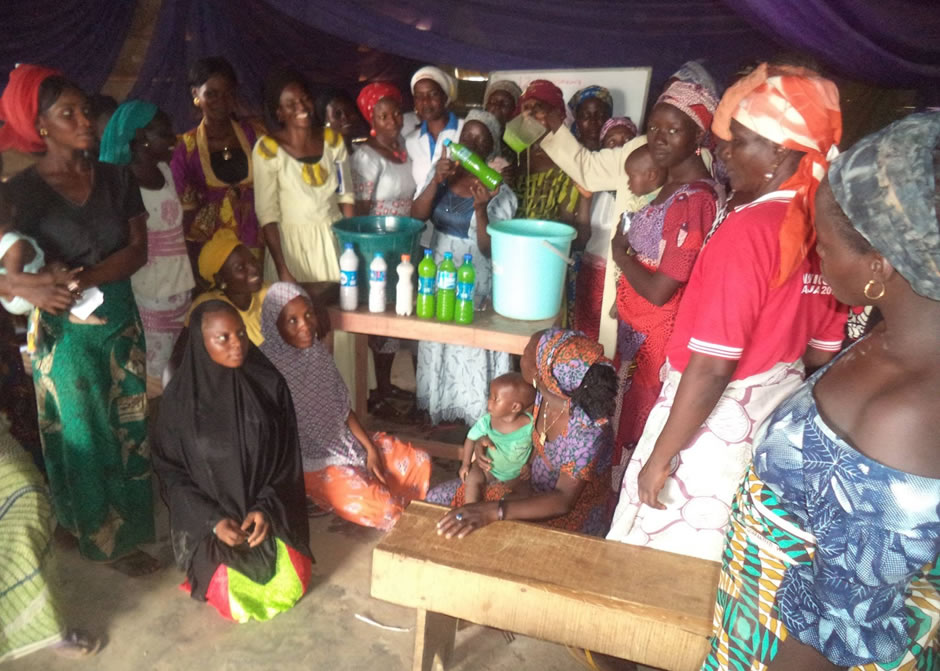
IDS Nutrition Activities: IDS implements community-based nutrition interventions promoting optimal Maternal, Infant and Young Child Nutrition (MIYCN), CMAM screening, growth monitoring, and SBCC via women/youth groups. We strengthen PHC linkages, train community health volunteers, and advocate for domestic financing to reduce malnutrition among under-5s, pregnant women and adolescent girls in fragile communities in patnership with World Food programme(WFP) and other development partners.
IDS Livelihoods Intervention:
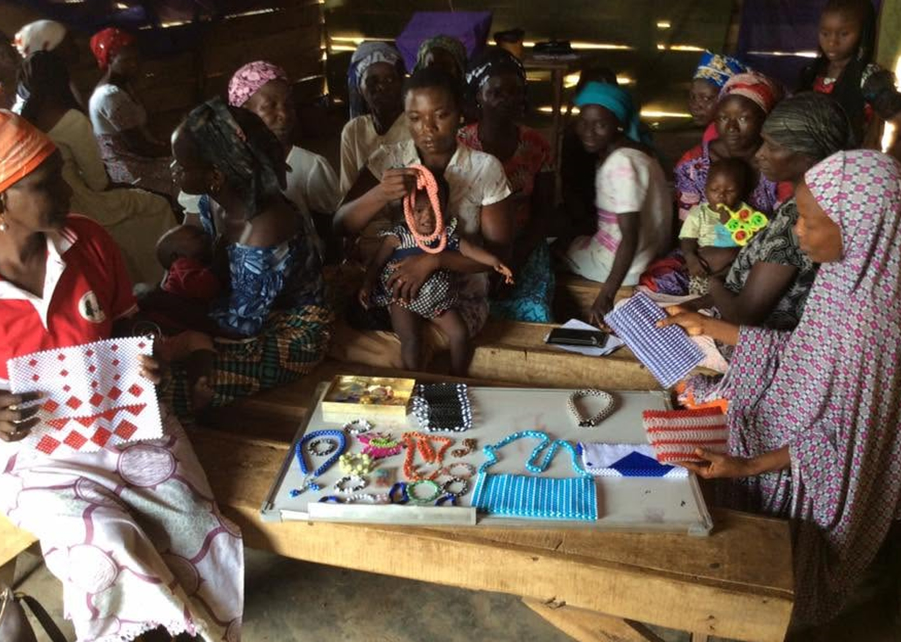
Over the past 15 years, IDS has trained and empowered over 15,000 households of vulnerable women, youth, persons with disabilities, and other minority groups to build self-reliance and resilience.
Key Interventions:
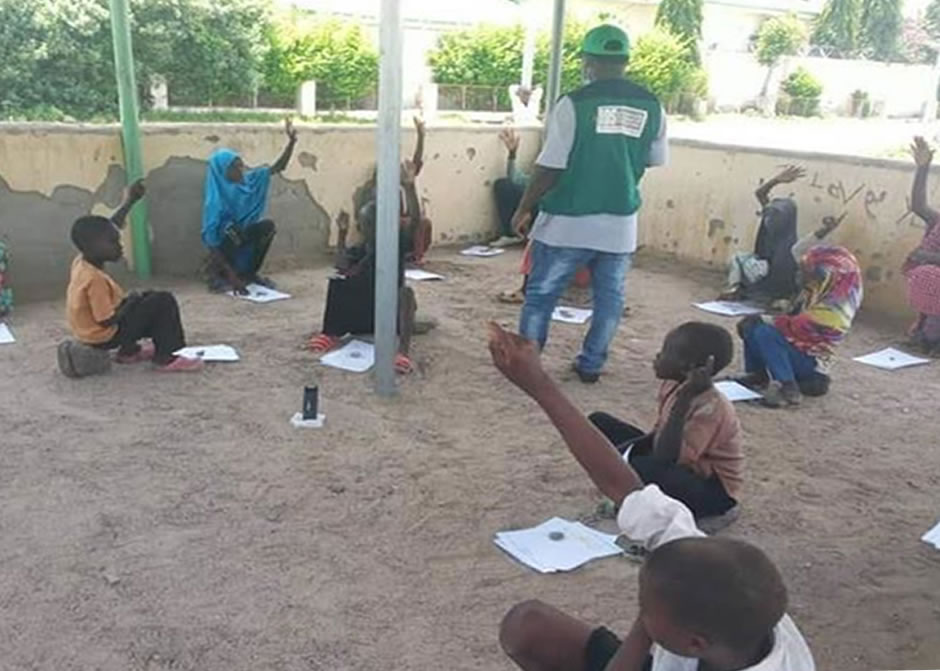
Vocational Skills Training: Tailoring, knitting, carpentry, coding, catering, and crafts
Agriculture Value Chain Development: Crop production, livestock, and fish farming
Business & Financial Literacy: Business plan development, entrepreneurship training, financial literacy, record keeping, and market access through exhibitions and e-marketing
Financial Inclusion: Village Savings and Loan Associations (VSLA) and Revolving Credit Schemes, including linkage to formal financial services
Cash Support: Conditional Cash Transfers (CCT) and Unconditional Resource Transfers (URT)
These interventions have reached over 15,000 households across the FCT, Nasarawa, Benue, and Borno States, in partnership with the U.S. Ambassador’s SSH Project (2010), African Women’s Development Fund (AWDF), Street Child / UNICEF / NHF / British High Commission (FCDO), World Food Programme (WFP) (2017–2022), and Islamic Relief Worldwide (IRW) (2022 to date), with an estimated total value of over USD 1.25 million
PEACEBUILDING and SOCIAL COHESION
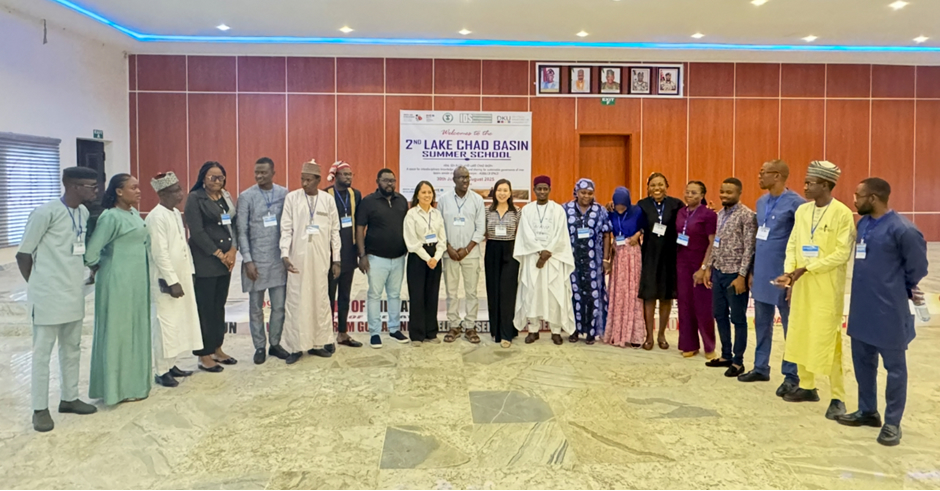
IDS is committed to building peace and restoring communities in Nigeria through long-term reconciliation and reintegration that supports both individuals and communities and contributes to lasting peace. For over 10 years, the Intercommunity Development Social Organisation (IDS) has promoted reconciliation, reintegration, and sustainable peace in conflict-affected communities. Our peacebuilding approach is gender and age-sensitive, community-driven, and rooted in healing, dialogue, and creating pathways for affected individuals to rebuild their lives and reintegrate into community life.
Our Key Interventions
Women in Peace & Mediation:
2013 Supported by Urgent Action Fund Africa and National Human Rights Commission (NHRC). We strengthened the capacity of 40 women activists to advocate and mediate in the upsurge of Boko Haram insurgency. Through consultations with community leaders, religious groups, NGOs, and security agencies, we promoted dialogue and peaceful coexistence across Northern Nigeria.
Preventing & Countering Violent Extremism (P/CVE):
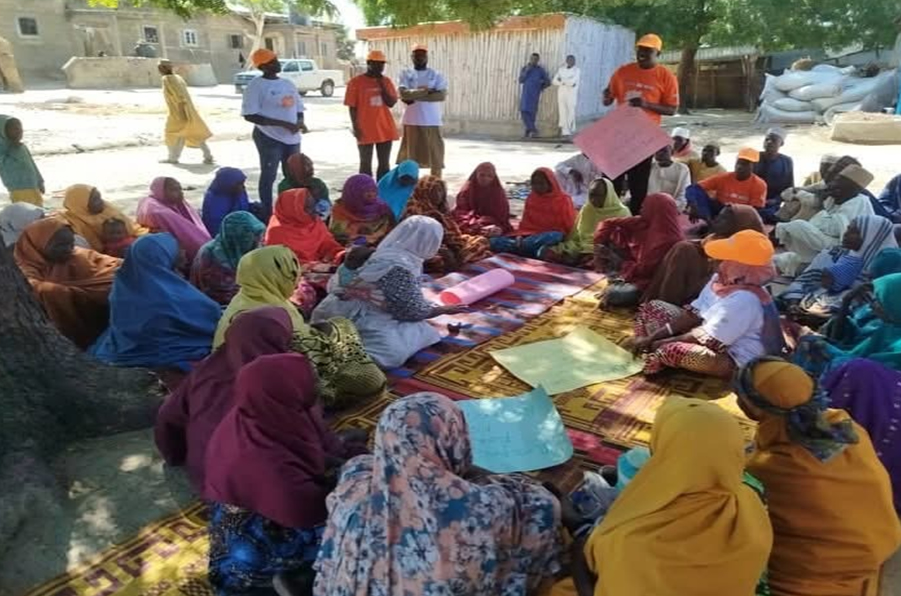
2020 With support from USAID-Global Center on Cooperative Security & Carefronting Nigeria. IDS implemented P/CVE programs in 9 LGAs: Mafa, Kaga, Gwoza, Konduga, Bama, Nganzai, Askira/Uba, Biu, and Jere. Trained 150 youth leaders, women, girls and boys on conflict management and peacebuilding, facilitated dialogue between security agencies and community stakeholders, Established Family Support Units at police posts, provided referrals for victims needing socio-economic, medical, and legal support and held monthly community security meetings and monitoring.
Socio-Economic Empowerment for Female Survivors:
In partnership with Too Young to Wed (TYTW) USA. We mobilized and supported women and girls who regained freedom after Boko Haram captivity through: Vocational skills and livelihood training, Seed grants to start small businesses, Food and non-food assistance, Sponsorship to international forums in the USA and Canada to amplify their voices